
 中文简体
中文简体
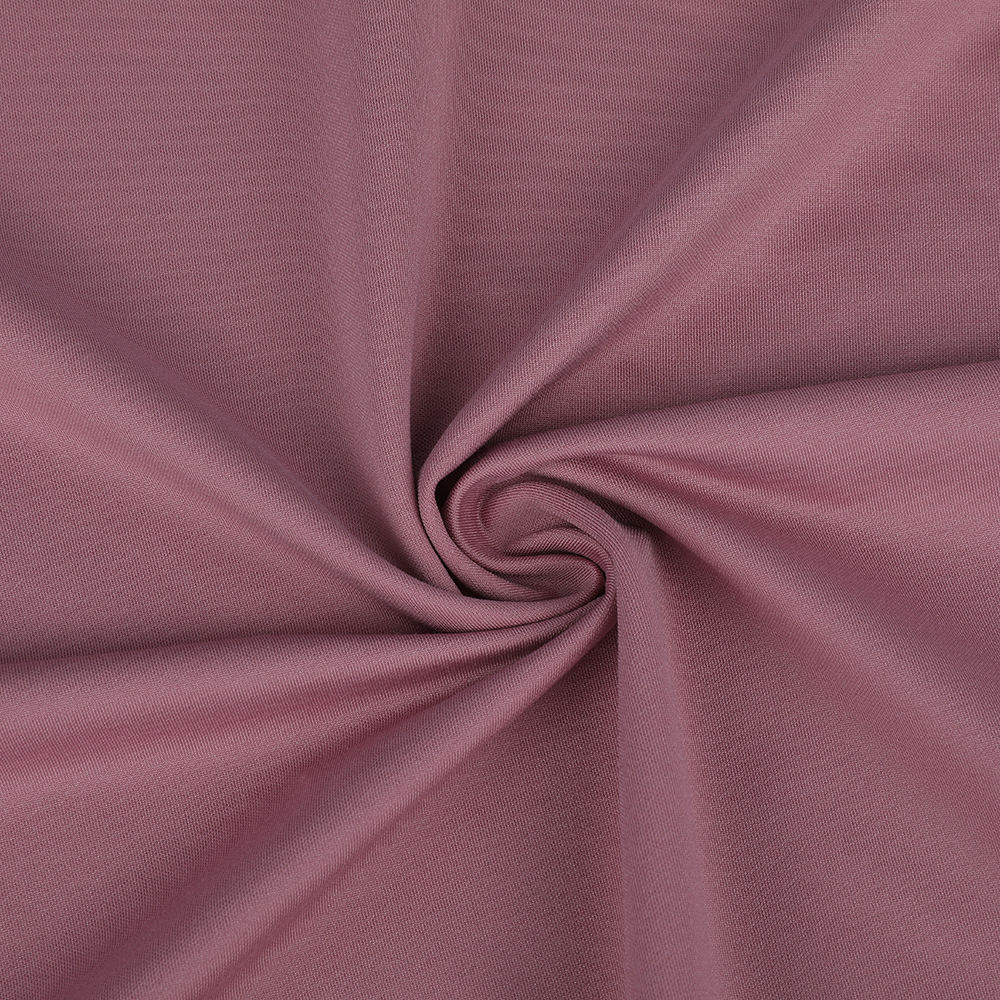
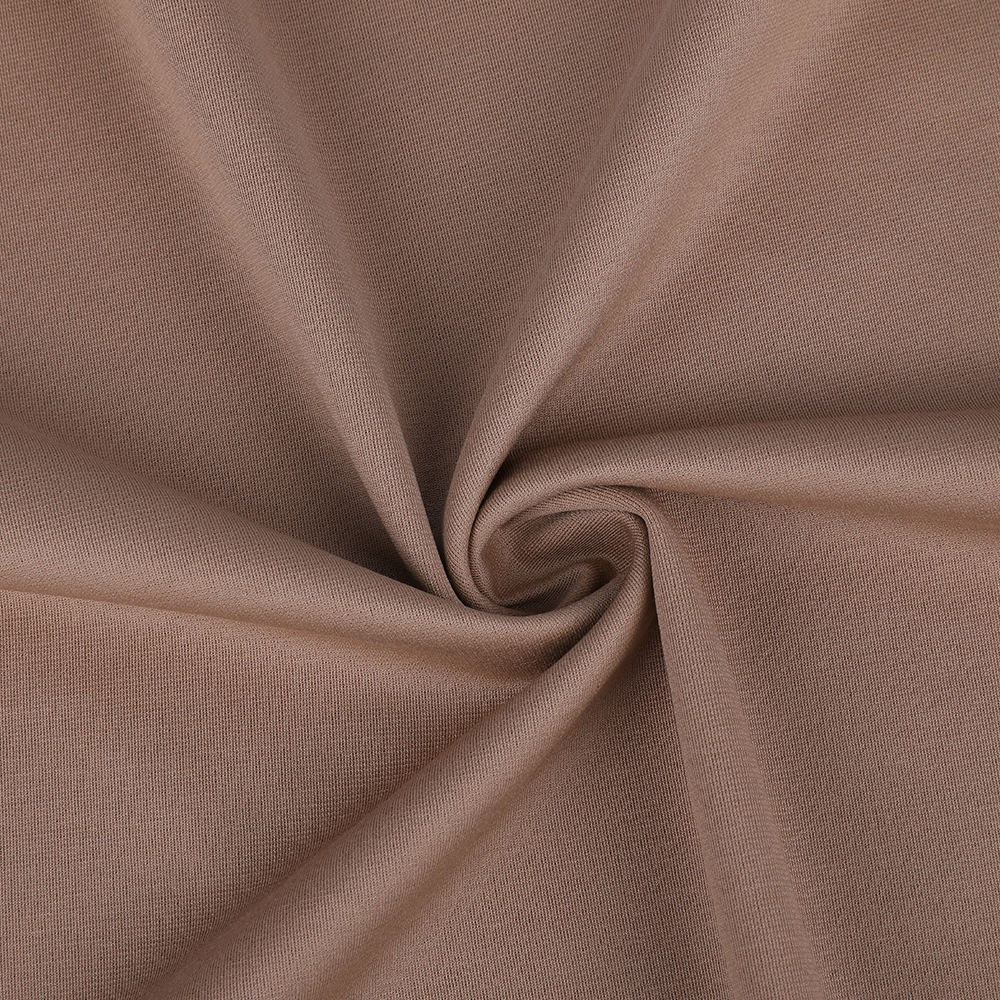


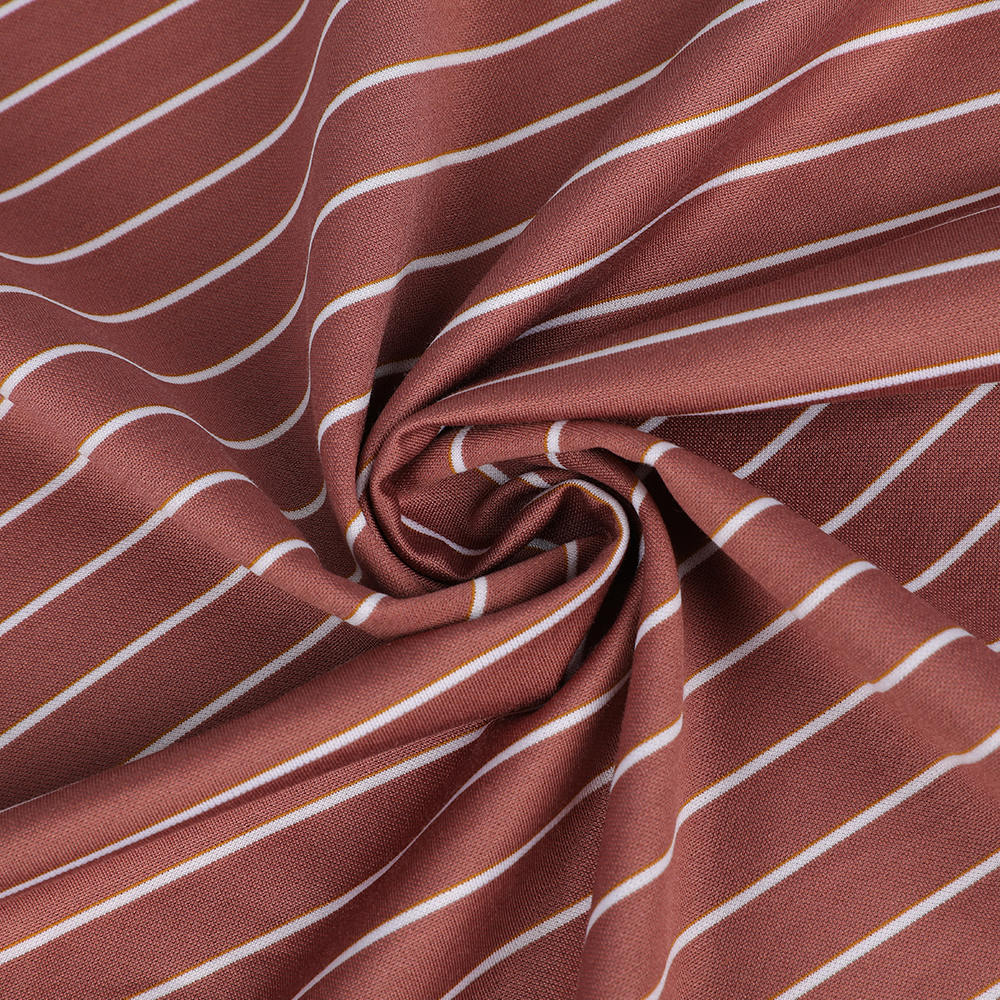
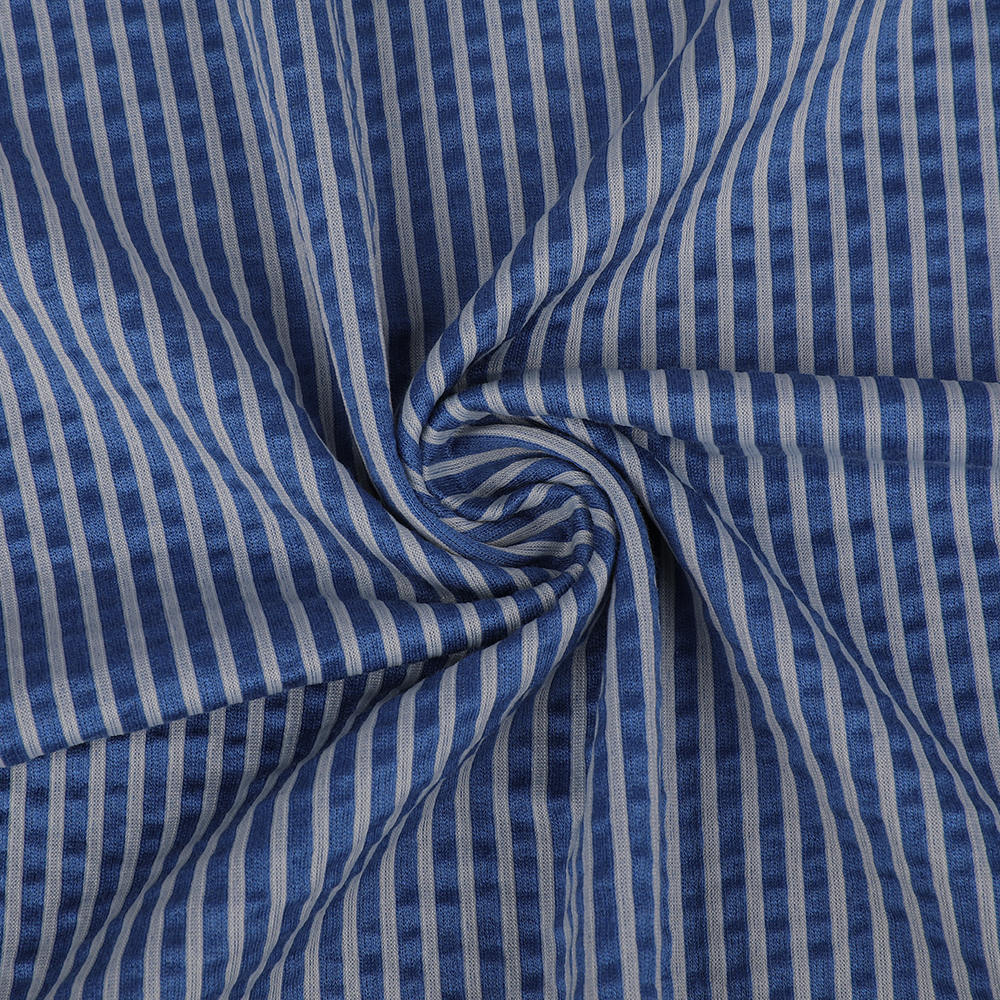




ในสาขาวิศวกรรมสิ่งทอ ผ้าถักเสื้อ หมายถึงคลาสของโครงสร้างถักพุ่งที่ออกแบบมาเพื่อความสบาย การเดรป และความมั่นคงของมิติในเสื้อผ้าส่วนบน บทความนี้นำเสนอการวิเคราะห์ทางเทคนิคเชิงลึกซึ่งกำห...
อ่านเพิ่มเติม
กำหนดเอง ผ้าไหมผ้าไหม
ผ้าไหมผ้าไหมผ้าไหมเป็นวัสดุผสมที่รวมลักษณะของผ้าไหมและฝ้าย มันทำจากผ้าไหมหม่อนธรรมชาติและเส้นใยฝ้ายคุณภาพสูง ไม่เพียง แต่รักษาสัมผัสที่ราบรื่นการระบายอากาศที่ดีและการดูดซับความชื้นและฟังก์ชั่นเหงื่อของผ้าไหม แต่ยังมีความทนทานและความต้านทานต่อริ้วรอยของผ้าฝ้าย ผ้านี้นุ่มในการสัมผัสสวมใส่สบายและเหมาะสำหรับการสวมใส่ในสภาพอากาศที่หลากหลาย
เสื้อเชิ้ตผ้าไหมผ้าไหมมักจะมีพื้นผิวที่ละเอียดอ่อนและสีอ่อน สีของมันอบอุ่นและความมันวาวเป็นธรรมชาติซึ่งสามารถแสดงความงามที่คีย์ต่ำและ จำกัด การระบายอากาศที่ดีและการนำความชื้นสามารถควบคุมอุณหภูมิของร่างกายได้อย่างมีประสิทธิภาพและทำให้ผิวแห้งเพื่อให้คุณสามารถผ่อนคลายได้แม้ว่าคุณจะสวมใส่มันเป็นเวลานาน ผ้าฝ้ายผ้าไหมได้รับการแปรรูปเป็นพิเศษและมีความต้านทานริ้วรอยและความต้านทานการสึกหรอที่ดี เป็นเรื่องง่ายที่จะดูแลและไม่ง่ายที่จะเปลี่ยนรูปแม้ว่าจะล้างด้วยเครื่องเพื่อให้มั่นใจถึงความทนทานของเสื้อผ้า
เกี่ยวกับ
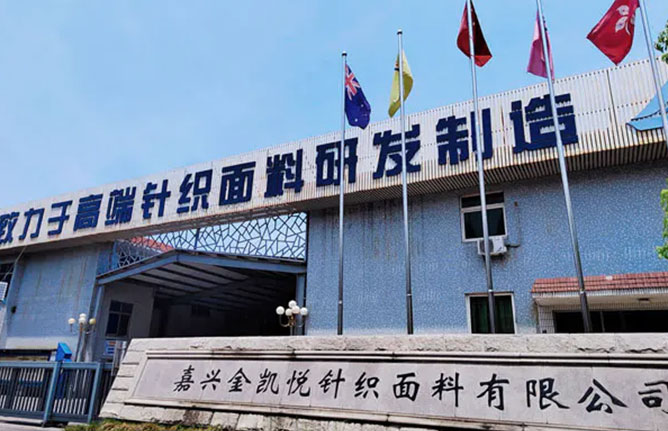
JIAXING JINKAIYUE KNITTING FABORS CO. , Ltd.
ก่อตั้งเมื่อปี พ.ศ. 2543 Jiaxing Jinkaiyue Knitted Fabric Co., Ltd. บริษัทมุ่งมั่นที่จะผลิตผ้าถักระดับไฮเอนด์ โดยมีความเชี่ยวชาญในผ้าหลากหลายประเภท เช่น ผ้าไหม ผ้าฝ้ายที่ทนทาน ผ้าลินิน ขนสัตว์ ผ้าแคชเมียร์ และเส้นใยผสมต่างๆ
เช่น
จีน กำหนดเอง ผ้าไหมผ้าไหม ผู้ผลิต และ
ผ้าไหมผ้าไหม โรงงานและซัพพลายเออร์, จิน ไฮแอท ใช้เครื่องถักวงกลมขั้นสูงที่สามารถสร้างรูปแบบการถักที่หลากหลายสำหรับผ้าถักเจอร์ซีย์แบบเดี่ยวและแบบคู่ ผลิตภัณฑ์ของเราประกอบด้วยการถักแบบธรรมดา การถักแบบริบบิ้ง การถักแบบแจ็คการ์ด และกระบวนการถักที่ซับซ้อนยิ่งขึ้น เช่น การถักแบบขนสูง การถักแบบฟองเดียว การถักแบบห่วงถ่ายโอน การถักแบบผ้าคลุมไหล่ การถักแบบตาไก่ การถักแบบริบบิ้นสวิส และการถักแบบโรมันหกรอบ เรามีบริการ
ผ้าไหมผ้าไหม ขาย.
บริษัทมีพนักงานประมาณ 300 คน โดย 20% ของพนักงานเหล่านี้ทำงานด้านวิจัยและพัฒนา เทคโนโลยี และการออกแบบ เพื่อยกระดับคุณภาพ จิน ไคเยว่ ได้ลงทุนในอุปกรณ์ที่ทันสมัยจากอิตาลี เยอรมนี สวิตเซอร์แลนด์ ญี่ปุ่น และไต้หวัน
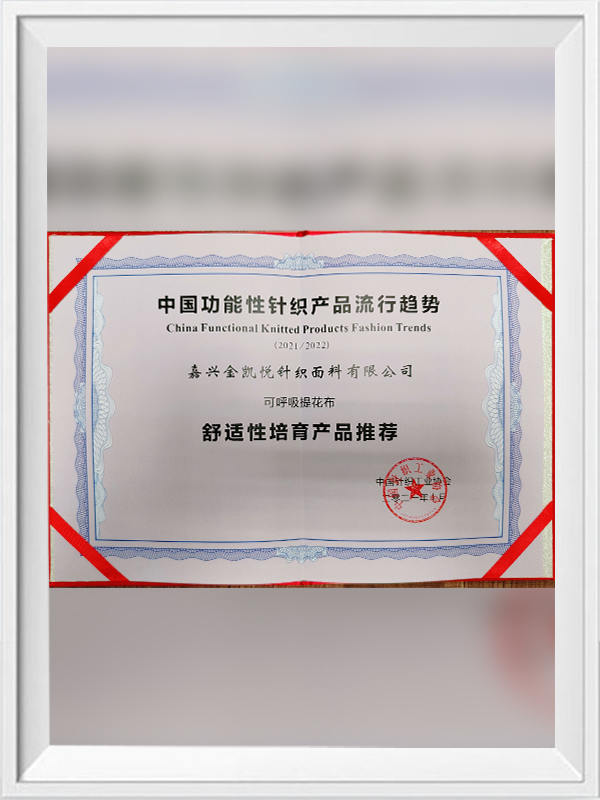
ใบรับรองเกียรติยศ
ข่าว
-
-
บทนำ: รากฐานของเสื้อยืดที่สมบูรณ์แบบ เสื้อยืดเรียบง่ายเป็นไอเทมหลักที่ติดตู้เสื้อผ้าระดับโลก แต่ไม่ใช่ว่าเสื้อยืดทุกตัวจะถูกสร้างขึ้นมาเท่ากัน ความแตกต่างที่ลึกซึ้งระหว่างเสื้อเชิ้ตทั่วๆ ไปกับเส...
อ่านเพิ่มเติม -
เป็นวิศวกรรมสิ่งทอและเครื่องนุ่งห่ม ผู้ให้บริการโซลูชั่น บริษัทของเราเชี่ยวชาญในการจัดหา ประเมิน และจัดหาวัสดุผ้าขั้นสูงให้กับผู้ผลิตเสื้อผ้าสำเร็จรูป แบรนด์ และทีมจัดซื้อ B2B ทั่วโลก หมวดหมู่หนึ่ง...
อ่านเพิ่มเติม -
1. เหตุใด Silk Cotton Blend จึงเป็นตัวเลือกอันชาญฉลาดสำหรับเสื้อเชิ้ตสั่งทำระดับไฮเอนด์ การแสวงหาผ้าเสื้อเชิ้ตที่สมบูรณ์แบบมักนำไปสู่ภาวะที่กลืนไม่เข้าคายไม่ออกแบบคลาสสิก: ความรู้สึกหรูหราของผ้า...
อ่านเพิ่มเติม -
สำรวจคุณประโยชน์ของผ้าถัก Jacquard Mercerized สำหรับผิวบอบบาง บุคคลที่มีผิวแพ้ง่ายมักจะประสบปัญหาในการหาผ้าที่ให้ความสบายโดยไม่ก่อให้เกิดการระคายเคือง ซึ่งเป็นที่มาของโครงสร้างเฉพาะ ผ้าถ...
อ่านเพิ่มเติม
ผ้าไหมผ้าไหม ความรู้ด้านอุตสาหกรรม
How to determine the optimal silk and cotton fiber blend ratio for silk-cotton shirt fabrics to achieve ideal softness, breathability and durability?
In the textile industry, the development and production of blended fabrics has always been a combination of technology and art. As the preferred material for high-end shirts, the balance of softness, breathability and durability of silk cotton shirt fabrics is a common focus of consumers and manufacturers. Jiaxing Jinkaiyue Knitted Fabric Co., Ltd., as a leader in the textile industry, is well aware of the importance of efficient management and integrated production processes, and also deeply understands the decisive influence of raw material selection and blending ratio on the performance of the final product.
Advantages and Challenges of Silk-Cotton Blending
Silk-cotton blended fabrics combine the dual advantages of silk and cotton fibers. Silk is known for its good gloss, softness, smoothness and good breathability, while cotton fibers are known for their strong moisture absorption, good wear resistance and good warmth retention. The combination of the two can theoretically create an ideal fabric that is both soft and breathable, and has a certain degree of durability. However, how to find the best blending ratio to maximize these properties is a major challenge in the production process.
Considerations for determining the optimal blending ratio
Softness: Silk is significantly softer than cotton, so increasing the proportion of silk can improve the softness of the fabric. However, too high a silk ratio may increase the fabric cost and may affect durability.
Breathability: Both silk and cotton fibers have good breathability, but silk is more breathable. However, breathability is also affected by the fabric structure and post-processing process.
Durability: Cotton fibers have high abrasion resistance and strength, so increasing the proportion of cotton fibers can improve the durability of the fabric. However, too much cotton fiber may reduce the softness and glossiness of the fabric.
Experimentation and optimization
In order to find the best silk-cotton blending ratio, manufacturers usually conduct a lot of experiments. The following is a possible experimental procedure:
Set the blending ratio range: Based on preliminary market research and production cost considerations, set a reasonable blending ratio range, such as 20% silk to 80% silk.
Make samples: Make fabric samples according to different blending ratios.
Performance testing: Test the samples for softness, breathability, and durability. The test methods include but are not limited to hand feel evaluation, air permeability tester and abrasion resistance test.
Data analysis: According to the test results, analyze the impact of different blending ratios on fabric performance.
Optimization and selection: According to the analysis results, select the best blending ratio. This is usually a balance point, that is, finding the best balance between softness, air permeability and durability.
Actual cases and recommended ratios
In actual production, the optimal ratio of silk-cotton blends often varies depending on product positioning, market demand and production costs. But in general, for shirt fabrics that pursue high-end texture and comfort, it is recommended to use a higher silk ratio, such as a blending ratio of 50% silk and 50% cotton fiber, or a higher blending ratio of 70% silk and 30% cotton fiber. Such a ratio can provide sufficient air permeability and a certain degree of durability while ensuring the softness and glossiness of the fabric.
In the development and production of silk-cotton shirt fabrics, Jiaxing Jinkaiyue Knitted Fabric Co., Ltd. has fully utilized its advantages in efficient management of raw materials and finished product storage and integration of production processes. The company strictly screens raw materials to ensure the high quality of silk and cotton fibers. At the same time, by optimizing the production process, improving production efficiency and reducing costs, it provides consumers with more cost-effective silk-cotton shirt fabrics.
Determining the optimal silk-cotton fiber blending ratio for silk-cotton shirt fabrics is a complex and meticulous process that requires comprehensive consideration of multiple factors such as softness, breathability and durability. Through scientific experiments and optimization steps, the best balance can be found to provide consumers with high-quality, cost-effective silk-cotton shirt fabrics.
ความสามารถในการผลิตของเราสอดคล้องกับความสามารถด้านการวิจัยและพัฒนาที่แข็งแกร่ง ทำให้เราสามารถส่งมอบโครงการจำนวนมากด้วยคุณภาพที่ดีกว่าและระยะเวลาที่สั้นลง
ความสามารถในการผลิต
ความสามารถในการผลิตที่แข็งแกร่งช่วยเพิ่มความสามารถในการแข่งขันของคุณ
-

เพื่อให้แน่ใจว่ามีคุณภาพดีขึ้น Jin Hyatt ได้ลงทุนในเครื่องจักรที่ทันสมัยจากอิตาลี เยอรมนี สวิตเซอร์แลนด์ ญี่ปุ่น และไต้หวัน
-

บริษัทดำเนินธุรกิจหลักในวัสดุหลากหลายชนิด เช่น ผ้าไหมหม่อน ผ้าฝ้ายแอมโมเนียเหลว ขนสัตว์ ผ้าแคชเมียร์ ผ้ากีฬากลางแจ้ง และผ้าผสมเส้นใยต่างๆ
-

บริษัทบริหารจัดการการจัดเก็บวัตถุดิบและผลิตภัณฑ์สำเร็จรูปอย่างมีประสิทธิภาพ บูรณาการกระบวนการผลิตทั้งหมด และปรับปรุงประสิทธิภาพโดยรวม
-

บริษัทมุ่งเป้าไปที่ตลาดระดับไฮเอนด์ด้วยผ้าถักคุณภาพสูงและทุ่มกำลังคน 20% ให้กับการวิจัยและพัฒนาเพื่อเพิ่มมูลค่าผลิตภัณฑ์และความสามารถในการแข่งขัน
ลิขสิทธิ์ © JIAXING JINKAIYUE KNITTING FABORS CO. , Ltd.
